Navigating the world of debt recovery? The right debt collection CRM software can transform chaos into clarity—boosting recovery rates, compliance, and team efficiency with powerful automation and insights.
What Is Debt Collection CRM Software?

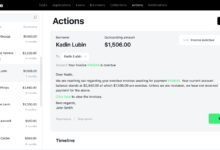
Debt collection CRM software is a specialized customer relationship management system designed to streamline the process of tracking, managing, and recovering outstanding debts. Unlike generic CRMs used in sales or marketing, this software is tailored to the unique workflows of collection agencies, financial institutions, and legal recovery firms. It combines contact management, communication tracking, compliance logging, and performance analytics into one centralized platform.
Core Functionality of Debt Collection CRM Systems
At its heart, debt collection CRM software automates and organizes the entire lifecycle of a delinquent account. From the moment an account becomes overdue, the system logs all interactions—calls, emails, letters, and promises to pay—and assigns tasks to collectors based on predefined rules. This ensures no account slips through the cracks.
- Automated workflow triggers based on account status
- Call scripting and dialer integration
- Payment promise tracking and follow-up scheduling
These tools reduce manual errors and increase the speed of outreach, which is critical in early-stage collections where recovery rates are highest. According to the Receivables Management Association International (RMAI), early intervention can improve recovery rates by up to 30%.
Differences Between General CRM and Debt Collection CRM
While general CRM platforms like Salesforce or HubSpot excel in lead nurturing and customer engagement, they lack the compliance-specific features required in debt collection. For example, debt collection CRM software must adhere to regulations like the Fair Debt Collection Practices Act (FDCPA) and the Fair Credit Reporting Act (FCRA). These systems include built-in compliance checks, such as automatic call recording disclosures and time-zone-based calling restrictions.
“A standard CRM might help you sell more, but only a specialized debt collection CRM can help you collect more—legally and efficiently.” — Industry Analyst, CollectionsTech Review
Additionally, debt collection CRMs often integrate with credit bureaus, payment gateways, and legal case management systems—features rarely found in general-purpose CRMs.
Top 7 Benefits of Using Debt Collection CRM Software
Implementing the right debt collection CRM software isn’t just about digitizing paper files—it’s about transforming your entire recovery strategy. Here are seven powerful advantages that top-tier agencies leverage to stay ahead.
1. Increased Recovery Rates Through Automation
Automation is the cornerstone of modern debt collection. With CRM software, repetitive tasks like sending reminder emails, scheduling callbacks, and escalating accounts are handled automatically. This ensures consistent follow-up, which is proven to increase recovery rates.
For instance, automated dunning emails sent on days 1, 7, and 14 after delinquency can recover up to 15% of debts without human intervention. When combined with predictive dialers and AI-driven call routing, collectors can focus on high-value accounts while the system handles low-hanging fruit.
Learn more about automation in collections at CollectSystem’s blog.
2. Enhanced Compliance and Risk Mitigation
Non-compliance in debt collection can lead to hefty fines, lawsuits, and reputational damage. Debt collection CRM software embeds regulatory requirements directly into workflows. Features like auto-dialer scrubbing, consent tracking, and dispute handling ensure every interaction meets FDCPA and TCPA standards.
- Automatic suppression of numbers on Do Not Call lists
- Real-time logging of consumer disputes
- Audit trails for all collector actions
This level of control not only protects your organization but also builds trust with consumers and regulators alike.
3. Improved Collector Productivity and Morale
Collectors spend less time on data entry and more time on actual collections when using CRM software. Task prioritization, smart dialing, and integrated communication tools reduce idle time between calls. Some platforms even offer gamification features—like leaderboards and performance badges—that boost motivation.
A study by the Credit Research Foundation found that collectors using CRM tools were 25% more productive than those relying on spreadsheets and manual logs.
Key Features to Look for in Debt Collection CRM Software
Not all debt collection CRM software is created equal. To maximize ROI, focus on platforms that offer these essential features.
Workflow Automation and Task Management
The best systems allow you to design custom workflows based on account age, balance, or consumer behavior. For example, an account 30 days past due might trigger a soft reminder email, while a 90-day delinquent account could be escalated to legal review.
- Drag-and-drop workflow builders
- Conditional logic for dynamic routing
- Escalation rules for unresponsive accounts
These capabilities ensure that every account receives the appropriate level of attention at the right time.
Integrated Communication Tools
Effective communication is the lifeblood of collections. Top-tier debt collection CRM software includes omnichannel outreach options—voice, SMS, email, and even social media messaging—within a single interface.
Voice integration with SIP trunks or VoIP providers enables click-to-call functionality, while SMS templates can be personalized and scheduled. Some platforms, like DialSource, offer compliance-safe texting with opt-out management.
Reporting and Analytics Dashboard
Data-driven decisions separate average agencies from elite performers. A robust reporting engine provides real-time insights into key metrics like:
- Collection effectiveness rate (CER)
- Average days to collect
- Promise-to-pay conversion rate
- Collector performance by volume and recovery value
Interactive dashboards allow managers to spot trends, identify bottlenecks, and adjust strategies on the fly.
How Debt Collection CRM Software Improves Compliance
Regulatory compliance isn’t optional—it’s existential. One misstep can trigger investigations, fines, or loss of licensing. Debt collection CRM software acts as a digital safety net, ensuring every action aligns with legal standards.
FDCPA and TCPA Compliance Safeguards
The Fair Debt Collection Practices Act (FDCPA) prohibits harassment, false statements, and unfair practices. Modern CRM systems enforce compliance by:
- Restricting calls to permissible hours (8 a.m. to 9 p.m. local time)
- Automatically disclosing the purpose of the call
- Logging all communications for audit purposes
Similarly, the Telephone Consumer Protection Act (TCPA) regulates automated calls. CRM software with built-in TCPA compliance will verify consent before using auto-dialers and maintain a record of consumer opt-outs.
Dispute Handling and Validation Rights
When a consumer disputes a debt, the FDCPA requires collectors to cease collection activities until the debt is validated. Debt collection CRM software automates this process by:
- Flagging disputed accounts immediately
- Generating validation letters within 5 days
- Blocking further contact until resolution
This not only prevents violations but also streamlines the validation workflow, reducing delays and improving consumer trust.
Integration Capabilities with Other Systems
Standalone software is rarely enough. The true power of debt collection CRM software emerges when it integrates seamlessly with other business systems.
Payment Gateway and Accounting Software Integration
Enabling instant payments within the CRM reduces friction and increases settlement rates. Integration with gateways like Stripe, PayPal, or Authorize.Net allows consumers to pay directly during a call or via secure links in emails.
On the backend, syncing with accounting platforms like QuickBooks or Xero ensures that payments are recorded accurately, reducing reconciliation errors and improving financial reporting.
CRM and ERP System Synchronization
For large organizations, debt collection CRM software must communicate with enterprise resource planning (ERP) systems like SAP or Oracle. This ensures that customer data, credit limits, and payment histories are consistent across departments.
API-based integrations allow real-time data exchange, eliminating silos and enabling a 360-degree view of the debtor.
Credit Bureau Reporting Automation
Reporting to credit bureaus like Experian, Equifax, and TransUnion is a critical but complex task. Debt collection CRM software with automated Metro 2 file generation ensures accurate and timely reporting, which impacts both consumer credit scores and your agency’s credibility.
Learn more about Metro 2 standards at CSR USA.
Selecting the Right Debt Collection CRM Software: A Step-by-Step Guide
Choosing the right platform requires careful evaluation. Follow this six-step process to make an informed decision.
1. Assess Your Business Needs and Volume
Start by analyzing your current workflow. How many accounts do you manage monthly? What’s your average account balance? Are you handling first-party (in-house) or third-party collections? These factors determine whether you need a lightweight solution or an enterprise-grade system.
- Small agencies: Look for cloud-based, subscription models
- Large firms: Prioritize scalability, security, and customization
2. Evaluate Vendor Reputation and Support
Check reviews on platforms like G2, Capterra, and Trustpilot. Look for vendors with strong customer support, regular updates, and a track record in the collections industry. Avoid companies with frequent downtime or poor response times.
For example, Credit Solutions has consistently high ratings for uptime and technical support.
3. Test with a Free Trial or Demo
Never commit without testing. Most reputable vendors offer free trials or live demos. Use this time to simulate real-world scenarios—log a call, create a workflow, generate a report. Pay attention to user interface intuitiveness and system responsiveness.
Ask your team for feedback during the trial period. Their buy-in is crucial for successful adoption.
Top 5 Debt Collection CRM Software Platforms in 2024
Based on functionality, user reviews, and industry adoption, here are five leading platforms worth considering.
1. CollectPro by AR Labs
CollectPro is a cloud-based solution designed for mid-sized collection agencies. It offers robust workflow automation, predictive dialing, and full FDCPA compliance. Its drag-and-drop interface makes it easy to customize collection strategies.
- Strengths: Intuitive UI, strong compliance tools
- Best for: Agencies with 50–500 employees
- Website: arlabs.com/collectpro
2. Debt Manager by FCI
Debt Manager is a comprehensive platform used by both first-party and third-party collectors. It supports multi-channel communication, credit bureau reporting, and legal case management. Its API allows deep integration with internal systems.
- Strengths: Scalability, enterprise features
- Best for: Large financial institutions and legal recovery firms
- Website: debtmanager.com
3. CollectSystem
CollectSystem is known for its powerful analytics and AI-driven insights. It uses machine learning to prioritize accounts based on recovery likelihood, helping collectors focus on high-value targets.
- Strengths: Predictive analytics, AI scoring
- Best for: Data-driven agencies
- Website: collectsystem.com
4. Receivables Exchange
This platform emphasizes speed and simplicity. It’s ideal for small agencies or in-house teams that need a fast setup with minimal training. Features include automated dunning, payment processing, and basic reporting.
- Strengths: Low learning curve, affordable pricing
- Best for: Startups and SMBs
- Website: receivableexchange.com
5. Collector360
Collector360 offers a modular approach, allowing businesses to add features like legal tracking, skip tracing, and consumer portals as needed. Its mobile app enables field collectors to update records in real time.
- Strengths: Flexibility, mobile access
- Best for: Hybrid collection models
- Website: collector360.com
Future Trends in Debt Collection CRM Software
The landscape of debt collection is evolving rapidly. Emerging technologies are reshaping how agencies operate and interact with consumers.
AI and Machine Learning Integration
Artificial intelligence is no longer a luxury—it’s a necessity. AI-powered debt collection CRM software can analyze historical data to predict which accounts are most likely to pay, optimize calling times, and even draft personalized messages.
For example, AI chatbots can handle initial inquiries and payment arrangements outside business hours, improving response rates and customer satisfaction.
Blockchain for Secure Data Management
Blockchain technology offers a tamper-proof ledger for recording debt ownership and transaction history. While still in early adoption, some platforms are experimenting with blockchain to enhance transparency and reduce disputes over debt validity.
This could revolutionize how debts are bought and sold in secondary markets.
Consumer Self-Service Portals
Modern consumers prefer self-service options. Leading debt collection CRM software now includes secure portals where debtors can view balances, set up payment plans, and upload documentation without speaking to a collector.
These portals reduce operational costs and improve the consumer experience, leading to higher settlement rates.
What is debt collection CRM software?
Debt collection CRM software is a specialized platform that helps organizations manage and recover overdue payments. It combines contact management, communication tracking, compliance tools, and analytics to streamline the collection process.
How does debt collection CRM software improve compliance?
It enforces regulatory requirements like FDCPA and TCPA by automating calling hour restrictions, logging communications, handling disputes, and maintaining audit trails to prevent violations.
Can small businesses benefit from debt collection CRM software?
Absolutely. Many platforms offer scalable, cloud-based solutions with affordable pricing, making them accessible to small agencies and in-house collections teams.
What role does AI play in modern debt collection CRM systems?
AI enhances collection efforts by predicting payment likelihood, optimizing outreach timing, automating routine tasks, and powering chatbots for 24/7 consumer interaction.
Is integration with payment gateways important?
Yes. Seamless integration with payment processors allows for instant settlements, reducing friction and increasing the likelihood of successful collections.
Debt collection CRM software is no longer a luxury—it’s a strategic necessity. From boosting recovery rates and ensuring compliance to enhancing team productivity and embracing future technologies, the right platform can transform your entire collections operation. By understanding your needs, evaluating key features, and choosing a reputable vendor, you can select a solution that delivers real, measurable results. As the industry evolves with AI, automation, and consumer-centric tools, staying ahead means adopting the best technology today.
Recommended for you 👇
Further Reading:
